Plant-soil-microbe-virus interactions influence the fate of carbon and nutrient cycling within soils under differing tree species
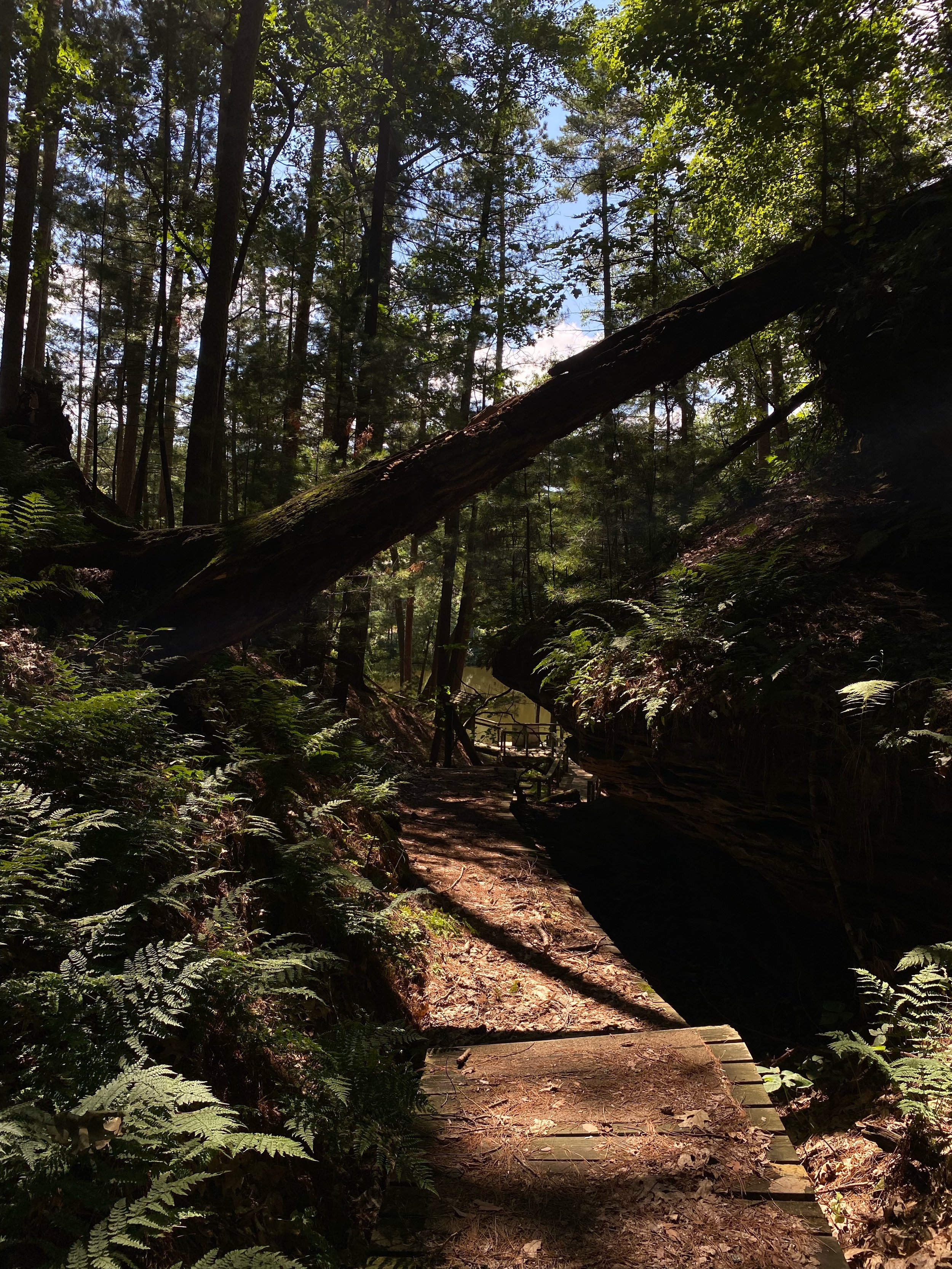
Study Site: Blackhawk Island (43.648905, -89.801581)
Blackhawk Island houses all the dominant tree species and soil types found across Wisconsin. The site offers climate controls, which can significantly impact carbon and nutrient cycling.
To study how plant-soil-microbe-virus interactions contribute to carbon cycling, I am utilizing combinations of three tree functional groups–arbuscular mycorrhizal, ectomycorrhizal deciduous, and ectomycorrhizal coniferous-and three soil textures-sandy, loamy sand, and sandy loam.
Microbial Carbon Use Efficiency (CUE)
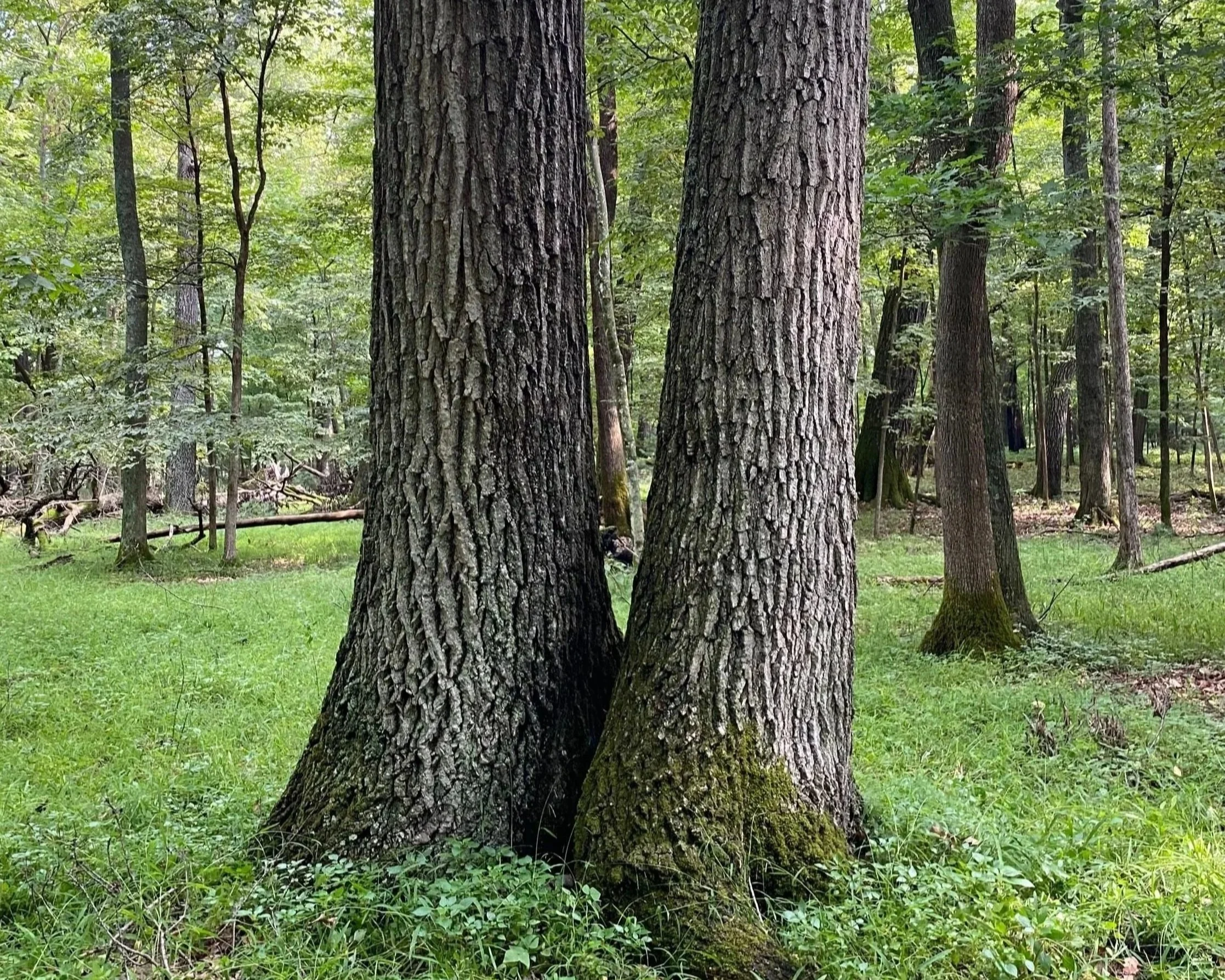
My research utilizes isotopically enriched glucose to measure the CUE of soil microbial communities across soil textures and tree functional groups and their influence on carbon cycling.
Microbe-Virus Interaction
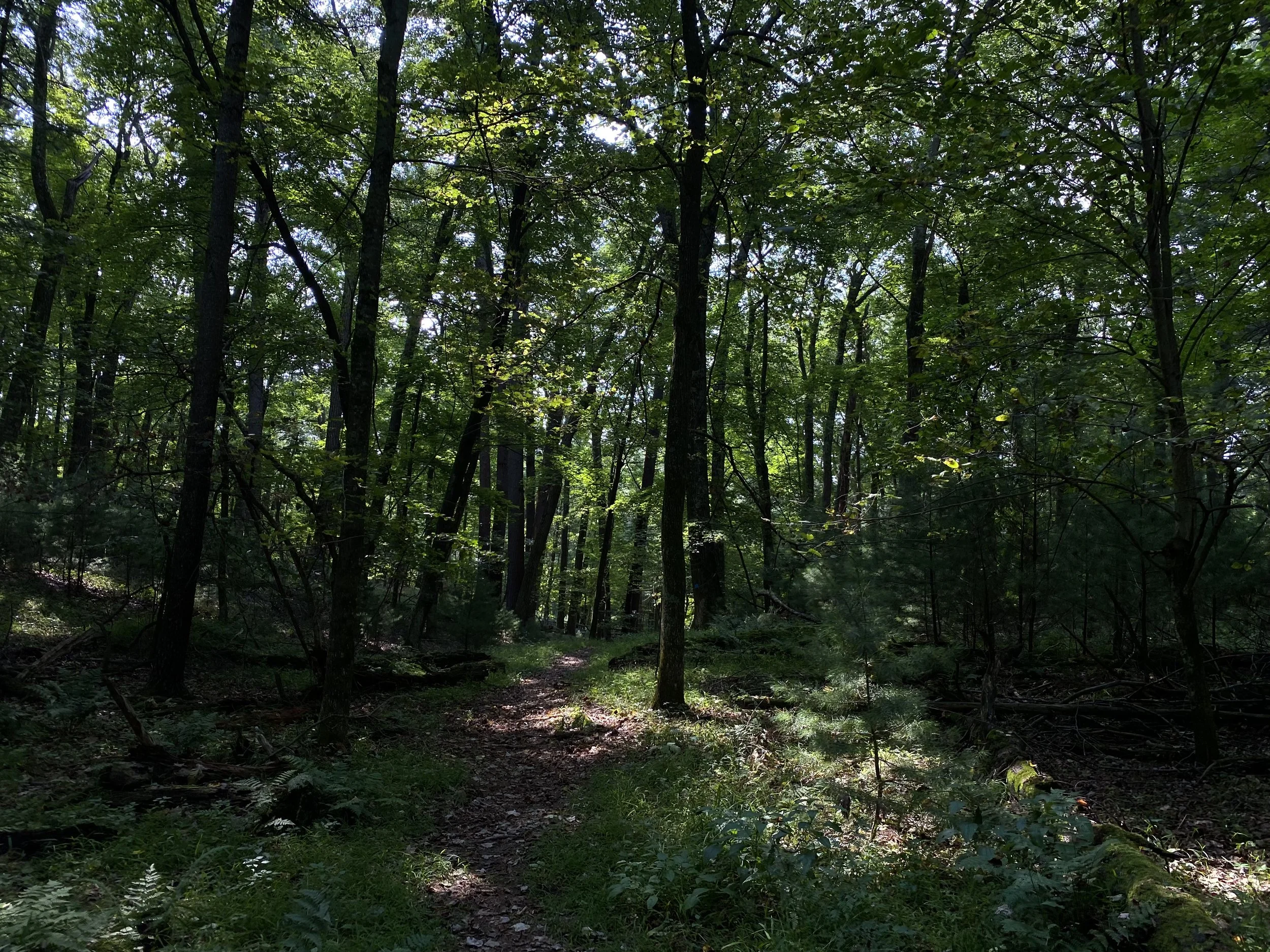
There is limited understanding of viral impact on microbial community within soil. My research takes a multi-omics approach to aid in revealing viral and bacterial community composition (metagenomics), in addition to gene expression (metatranscriptomics), and bacterial metabolite composition (metabolomics). This offers insight into how microbial communities are impacted by viruses, and how they contribute to the carbon cycle.